From Legacy to Exit-Ready: Engineering Systems Designed for Transfer
This article explains why engineering should be built for transferability, not just speed. In acquisitions, buyers assess infrastructure, governance, talent depth, vendor risk, and technical debt. Informal systems and opaque processes create valuation discounts. Carbon’s view is clear: engineering maturity isn’t headcount, it’s durability, transparency, and the ability to transfer cleanly under new ownership.
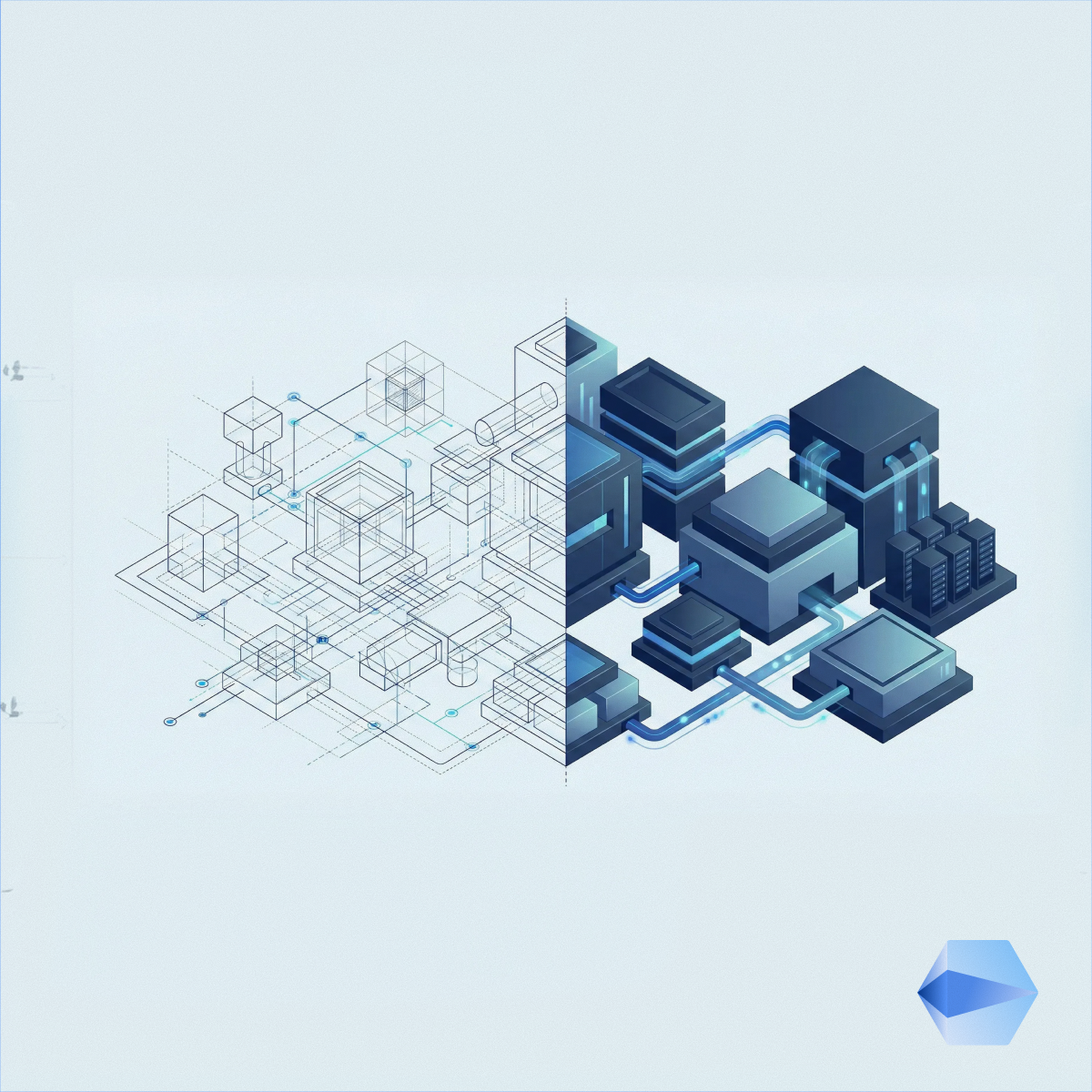
Most engineering organizations are optimized for delivery velocity. Few are architected for transferability.
That distinction becomes critical during exit.
Buyers do not simply evaluate revenue growth and product-market fit. They assess governance maturity, infrastructure clarity, and whether the asset changes hands without operational disruption. Engineering is not a support function in this analysis. It is a primary driver of valuation confidence, and one of the most consistent sources of post-acquisition value erosion when it has not been structured deliberately.
Carbon builds engineering organizations that are designed to be owned. Not rented capacity. Not vendor-managed throughput. Governed, inheritable infrastructure. That mission aligns directly with what PE operating partners need at exit.
ppt
The Structural Risk of Legacy Growth
Rapidly scaling companies accumulate complexity, and that complexity compounds.
Teams focus on shipping fast and hitting deadlines. Architecture decisions are made informally. Infrastructure changes are made directly in cloud consoles. Vendors are brought in for speed. Over time, these decisions layer on top of each other.
Common structural risks include fragmented deployment pipelines, undocumented architectural decisions, shadow infrastructure, and contractor-managed core systems. None of these conditions necessarily impair day-to-day performance. They become material when an external party attempts to assess scalability and risk exposure.
According to McKinsey's research on technology diligence in private equity transactions, technology weaknesses are a leading cause of post-acquisition value erosion when not surfaced and mitigated early.
Operational opacity creates valuation discount. Carbon's model is built on the opposite principle: build deliberately, operate with institutional discipline, transfer cleanly. The same structure that enables controlled scaling enables controlled ownership conversion.
What Buyers Actually Evaluate
Sophisticated buyers assess engineering organizations across four primary domains: infrastructure reproducibility, governance clarity, talent architecture, and vendor dependency exposure.
The questions they ask are specific:
- Can the infrastructure be fully rebuilt from code without undocumented steps?
- Are architectural decisions documented and auditable?
- Is security embedded directly into deployment and operations?
- Is the system independent of key individuals or hard-to-transfer vendor contracts?
Buyers are not looking for perfection. They are looking for transferability.
Transferability means the system continues operating when founders step back. Engineering authority is institutional, not personality-driven. Knowledge resides in documented systems and processes, not in individual memory.
Carbon's Build, Operate, Transfer model is grounded in this principle. Engineering capability should be constructed so that it can be owned — and that construction begins at formation, not six months before exit.
Engineering Controls That Increase Transferability
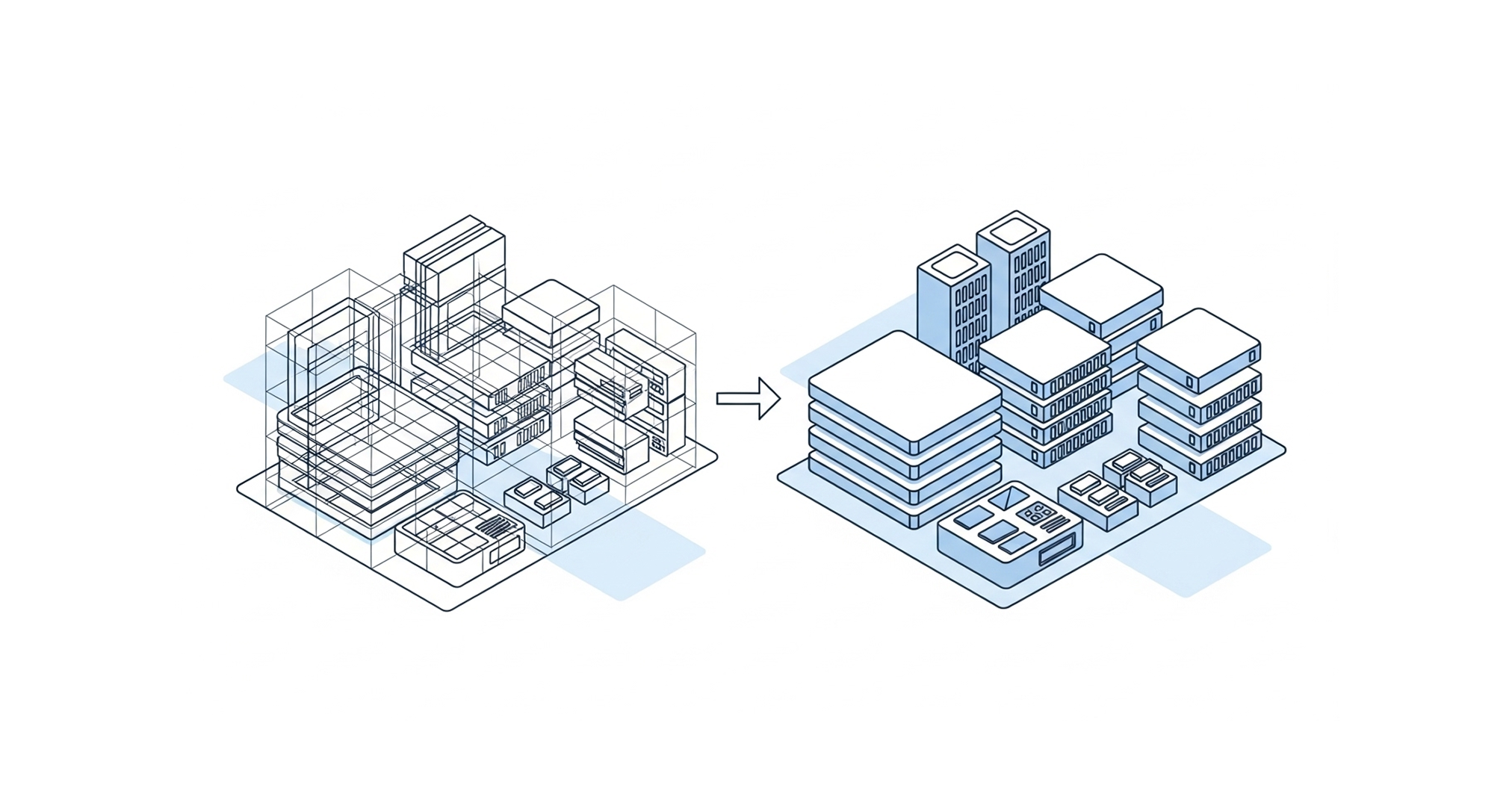
Exit-ready engineering organizations exhibit measurable technical maturity. The controls that consistently increase buyer confidence are:
- Infrastructure defined and version-controlled as code, fully reproducible.
- Automated CI/CD pipelines with built-in testing and security checks.
- Centralised access control, monitoring, and logging across all environments.
- Documented architecture, security standards, and incident response procedures.
These are not cosmetic signals. They demonstrate that systems can be recreated, audited, and extended without reverse engineering.
Carbon applies these principles when building satellite engineering organizations. Infrastructure and governance are aligned to institutional standards from day one, so that operational maturity compounds rather than fragments across the holding period.
Governance as a Valuation Lever
Engineering governance is consistently underestimated, until diligence.
Informal decision-making can accelerate early growth, but it creates fragility at scale. Institutional governance includes clear domain ownership, structured architecture reviews, change management protocols, and defined escalation pathways. These processes reduce ambiguity and distribute authority.
Research published in Harvard Business Review on organizational resilience demonstrates that companies with codified governance frameworks maintain operational continuity during leadership transitions more effectively than those with informal authority structures.
In acquisition contexts, governance maturity signals lower integration risk. For PE operating partners, it is one of the clearest indicators that the asset will hold its value post-transfer.
Carbon's model integrates governance discipline into hub formation. Satellite offices are not isolated engineering pods. They are embedded within the broader architectural authority structure, eliminating parallel decision hierarchies and protecting long-term transferability.
Talent Architecture and Succession Depth
A technically sound platform can still represent risk if organizational continuity is fragile.
Buyers examine whether the engineering organization is dependent on a small number of individuals. They assess leadership layering, documentation culture, and contractor concentration. Exit-ready talent architecture demonstrates depth, redundancy, and clarity of authority.
Critical signals include:
- Clear leadership and domain ownership across the engineering function.
- Reduced key-person dependency through succession and cross-training.
- Internal ownership of core architecture.
- Standardised onboarding and performance governance.
Organizations that rely heavily on third-party vendors for core product logic encounter diligence friction. IP ownership ambiguity and retention risk complicate transaction timelines.
Carbon builds captive engineering organizations — not shared resources, not blended vendor pools. Dedicated teams operating under the client's technical standards and governance structure. This is not simply an operational preference. It is a structural investment in exit readiness, embedded from day one of the engagement.
Technical Debt as a Quantifiable Risk
Technical debt is often treated as an engineering backlog item. In transaction contexts, it becomes a financial variable.
Debt manifests through outdated dependencies, insufficient automated testing, inconsistent coding standards, and unaddressed security vulnerabilities. These conditions increase future capital expenditure projections and integration risk.
The Software Engineering Institute at Carnegie Mellon University has documented the compounding cost of unmanaged technical debt. Invisible debt introduces uncertainty. Visible, catalogued debt introduces clarity.
Exit-ready organizations maintain explicit technical debt registries. They quantify remediation effort, assign ownership, and incorporate repayment into roadmaps. Transparency reduces perceived risk.
Carbon's approach to building engineering organizations includes embedding documentation and governance frameworks that surface debt early. Transfer-ready systems are transparent systems.
Vendor Dependency and Ownership Clarity
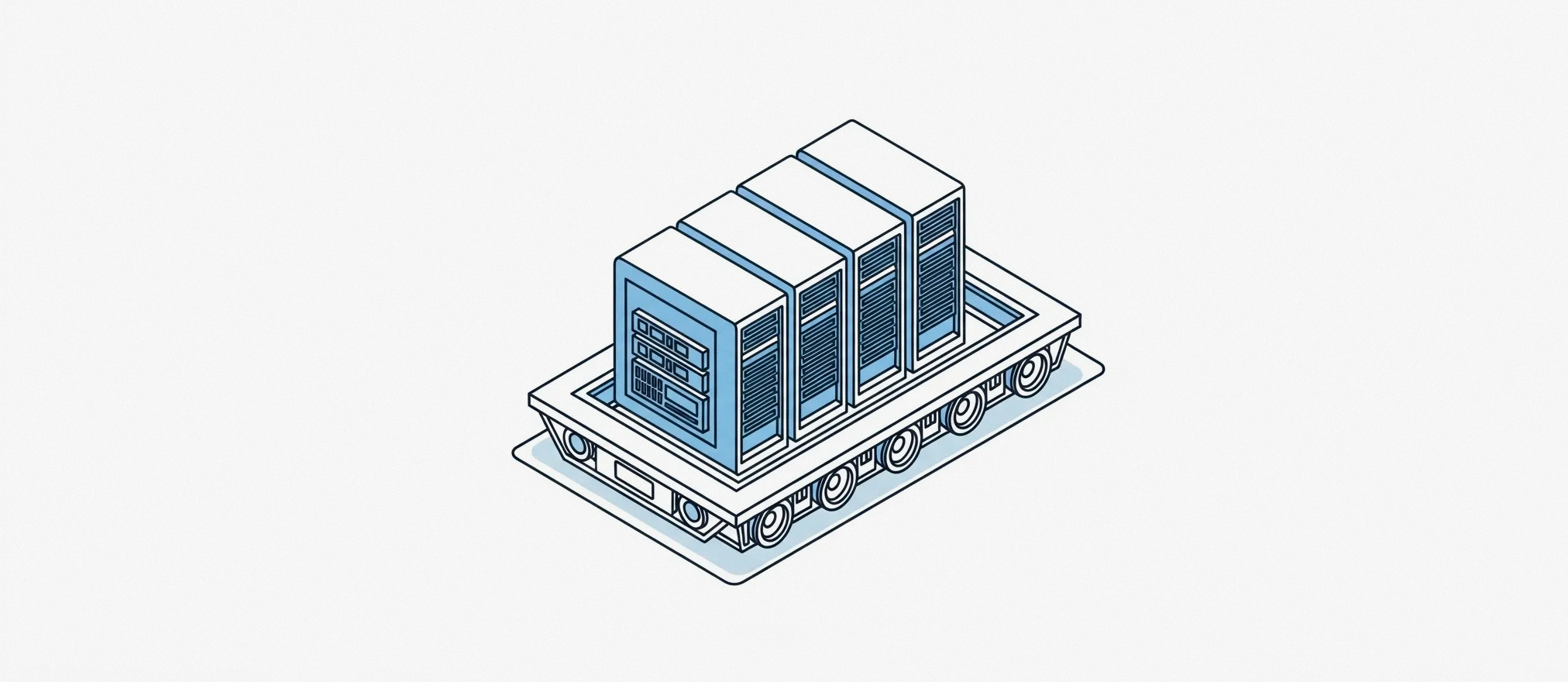
Vendor concentration risk frequently undermines exit confidence. Organizations that depend on opaque service providers for core system orchestration create operational fragility that buyers price in.
Transfer-ready organizations maintain internal control over architectural integration layers. Vendor contracts include transfer provisions. IP ownership is explicit. Dependency mapping is documented.
When engineering capacity is expanded internationally, structural clarity becomes even more important. International teams managed through outsourcing contracts without institutional integration introduce ownership ambiguity that is difficult to resolve under deal timelines.
Carbon's Build, Operate, Transfer model addresses this directly. Early-stage legal and operational complexity is absorbed while governance and IP structures are aligned for ownership conversion. The result is not a vendor relationship that must be unwound at exit. It is a transferable operating asset that belongs to the portfolio company from the moment it is formed.
The Transfer Curve: Why Structure at Formation Determines Value at Exit
For PE operating partners, the timing of structural investment is not academic. It is financial.
Engineering organizations that embed governance, infrastructure discipline, and talent architecture at formation compound those advantages across the holding period. Those that address them reactively, under diligence pressure or at the point of transition, absorb the cost of remediation at the worst possible moment.
Carbon's model is built around what we call the Transfer Curve: the principle that every structural decision made early reduces the cost and risk of ownership conversion later. Operating model design, governance frameworks, leadership architecture, and compliance structures are resolved before the first hire is made. Not retrofitted when the process begins.
The portfolio companies that command premium exits are not simply those with the strongest growth metrics. They are those whose engineering function is institutionally sound; reproducible, governed, independent, and ready to operate under new ownership without disruption.
That is the only standard Carbon builds to.
Engineering as an Inheritable Asset
An engineering organization optimized solely for delivery velocity may achieve impressive short-term growth. An engineering organization designed for transfer achieves durable valuation.
Exit-ready systems are reproducible, governed, secure, and transparent. They are not dependent on individuals or opaque vendor relationships. They are structured for continuity.
For PE operating partners, the question is not whether your portfolio companies need this standard. It is whether it has been embedded early enough to matter at exit.
Carbon exists to ensure that it has.

Carbon builds nearshore engineering hubs and deploys AI transformation teams for scaling technology companies and PE-backed organizations. Operational infrastructure, built to last.
Own the Build®
.png)